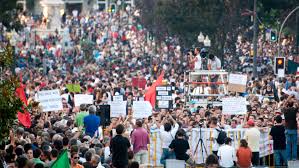
Our VoicesUnbound
A global civic inquiry — rooted in place, powered by lived experience, made visible.
When communities name their own questions, they begin to write their own future.
Our Voices Unbound is a global civic inquiry platform — and an act of faith in the knowledge that communities already hold. Not a poll. Not a survey. A living archive of civic imagination, generated by people who live with the consequences of the questions they carry. Questions about democracy and its survival. About land, water, and belonging. About what we owe each other across borders and between generations.
The platform is rooted in the United States — where the ruptures of this political moment are acute — and extends outward, because the questions communities are carrying here echo in communities everywhere. The civic crisis of 2026 is not a national problem with national solutions. It is a global condition that demands a global response, built from the ground up, one voice at a time.
Our Voices Unbound launches September 9, 2026 — the 20th anniversary of the original Table of Free Voices, a gathering that proved that when people across the world are trusted with the questions that matter most, extraordinary things emerge. We build from that proof. We build for this moment.
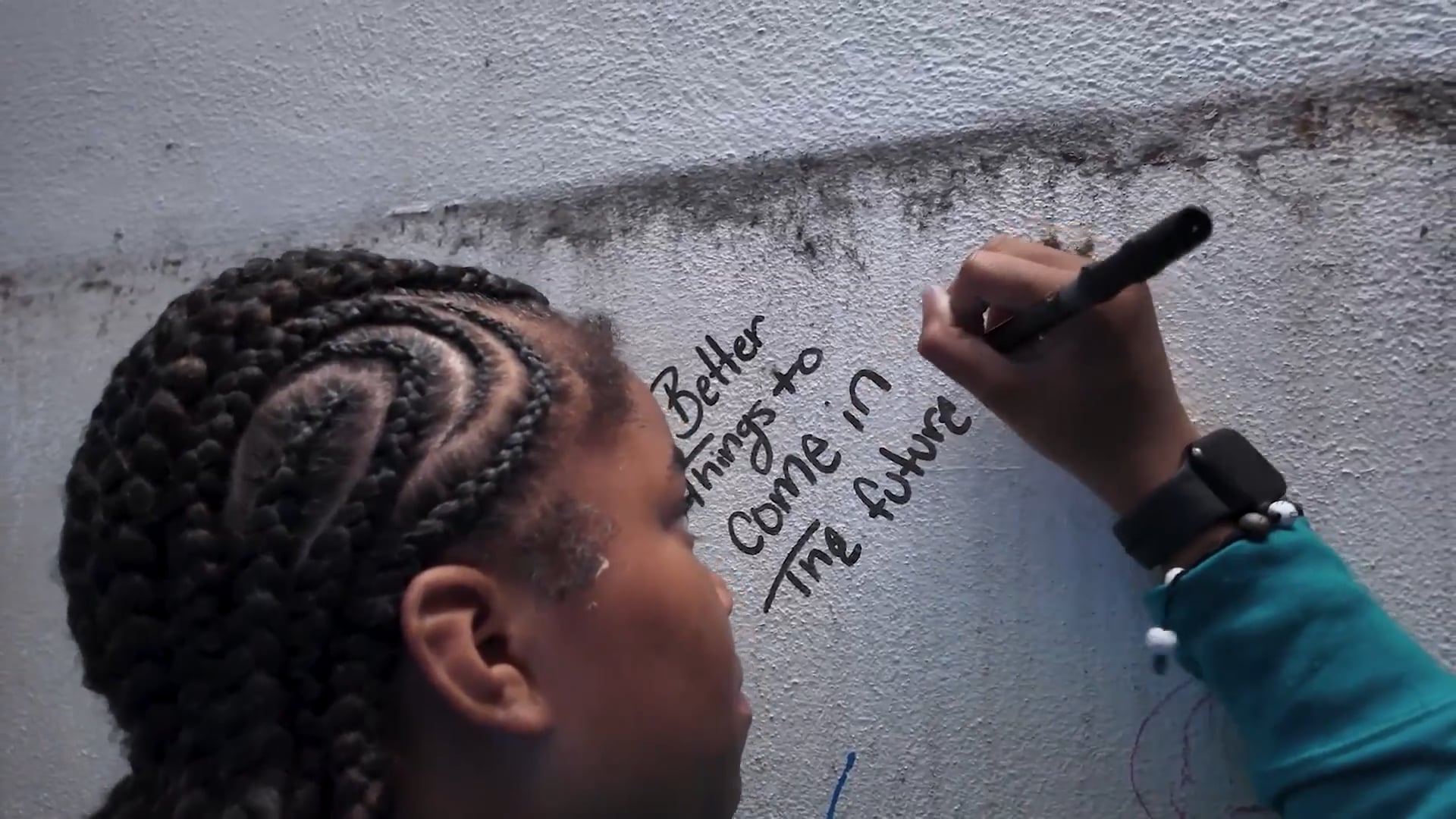
It is waiting to be reclaimed.
The challenge
The spaces where civic voice once formed — the town hall, the community center, the neighborhood gathering — have been hollowed out. Replaced by platforms engineered for reaction, not reflection. The communities most affected by political and economic disruption are the same ones whose voices are extracted for data and never returned as insight.
At the same moment, artificial intelligence is reshaping how communities access information, form opinions, and understand themselves — largely without their participation, and almost entirely without their questions.
The opportunity
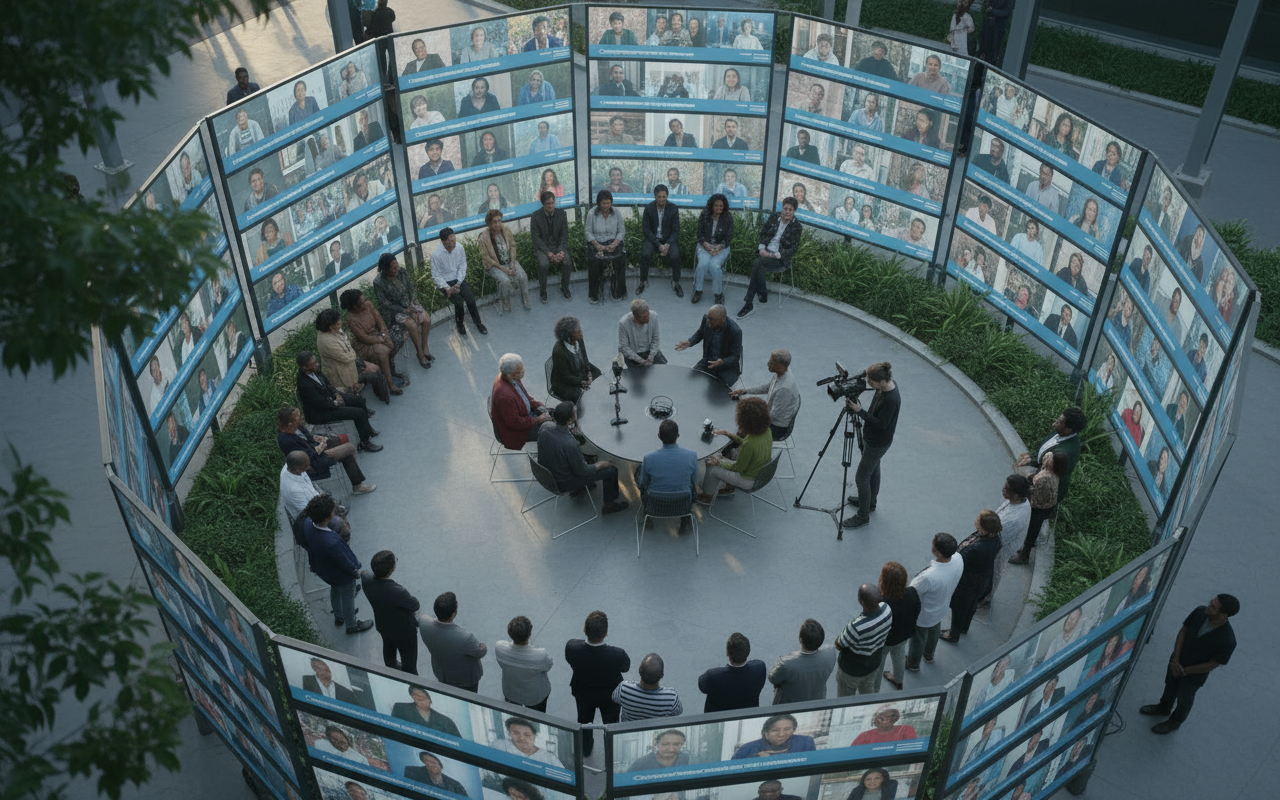
The very technologies reshaping civic life can be redirected to serve it. AI systems can surface patterns hidden inside thousands of community voices. Immersive media can place a global public inside community stories, not merely in front of them. Open platforms can build distributed civic intelligence that no single table — however large — could ever generate alone.
Our Voices Unbound is that redirection: community-owned, AI-assisted, human-centered, built with the explicit purpose of returning power to the people whose knowledge it holds.
This is not a time for civic spectatorship.
The questions communities carry — about power, survival, and what kind of world is possible — are the most important dataset of our time. They are going uncollected, unheard, unsynthesized.
Our Voices Unbound exists to change that. Not to speak for communities, but to build the infrastructure through which communities speak to each other, to their governments, to the world.
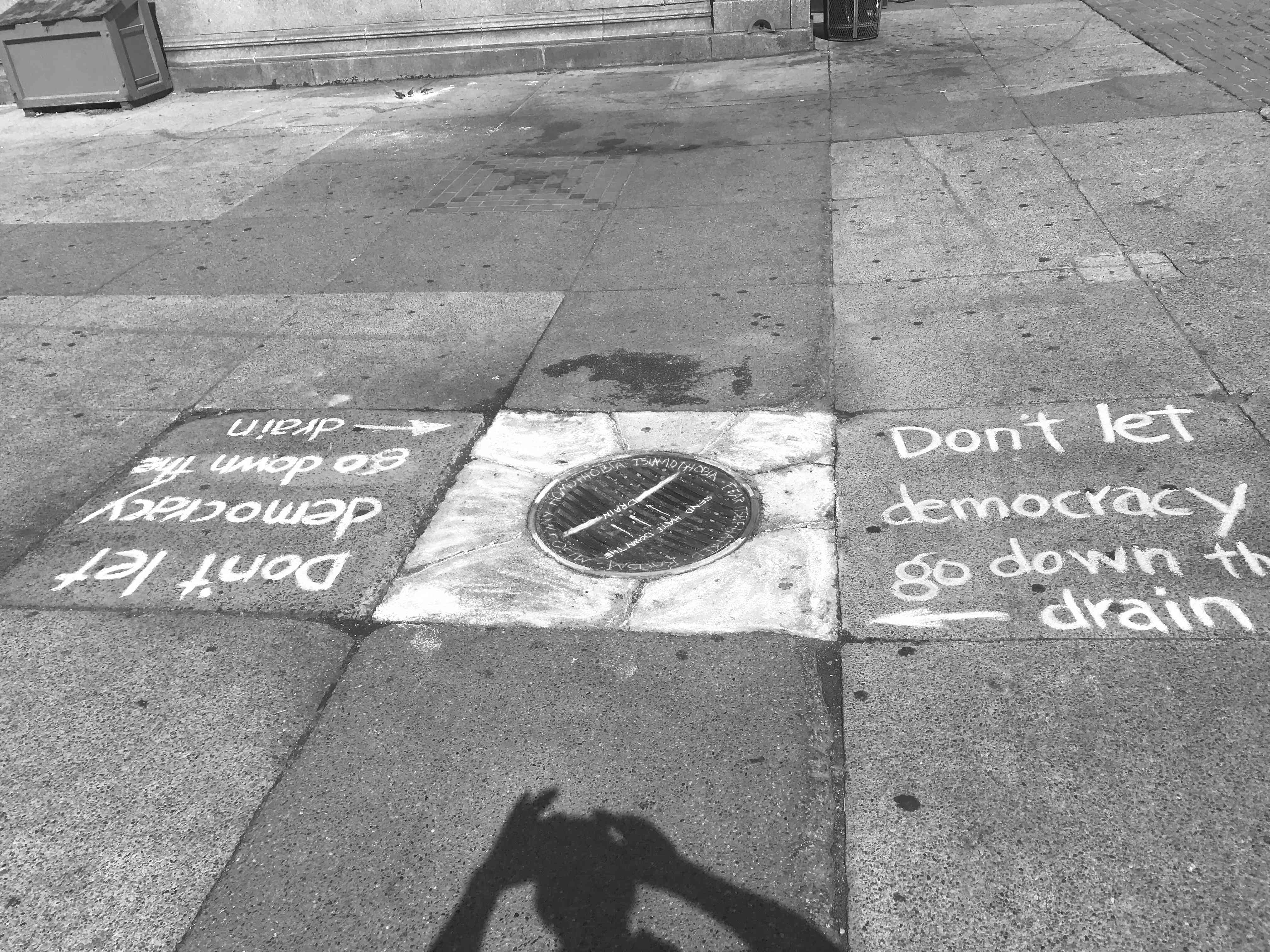
“It is through asking — not telling — that we begin to ponder new alternatives and come to recognize multiple viewpoints. When people share their knowledge, they may find similar experiences or common solutions — just as they may also realize there is not one story, but multiple stories to be negotiated.”— Dropping Knowledge International, Berlin, 2006
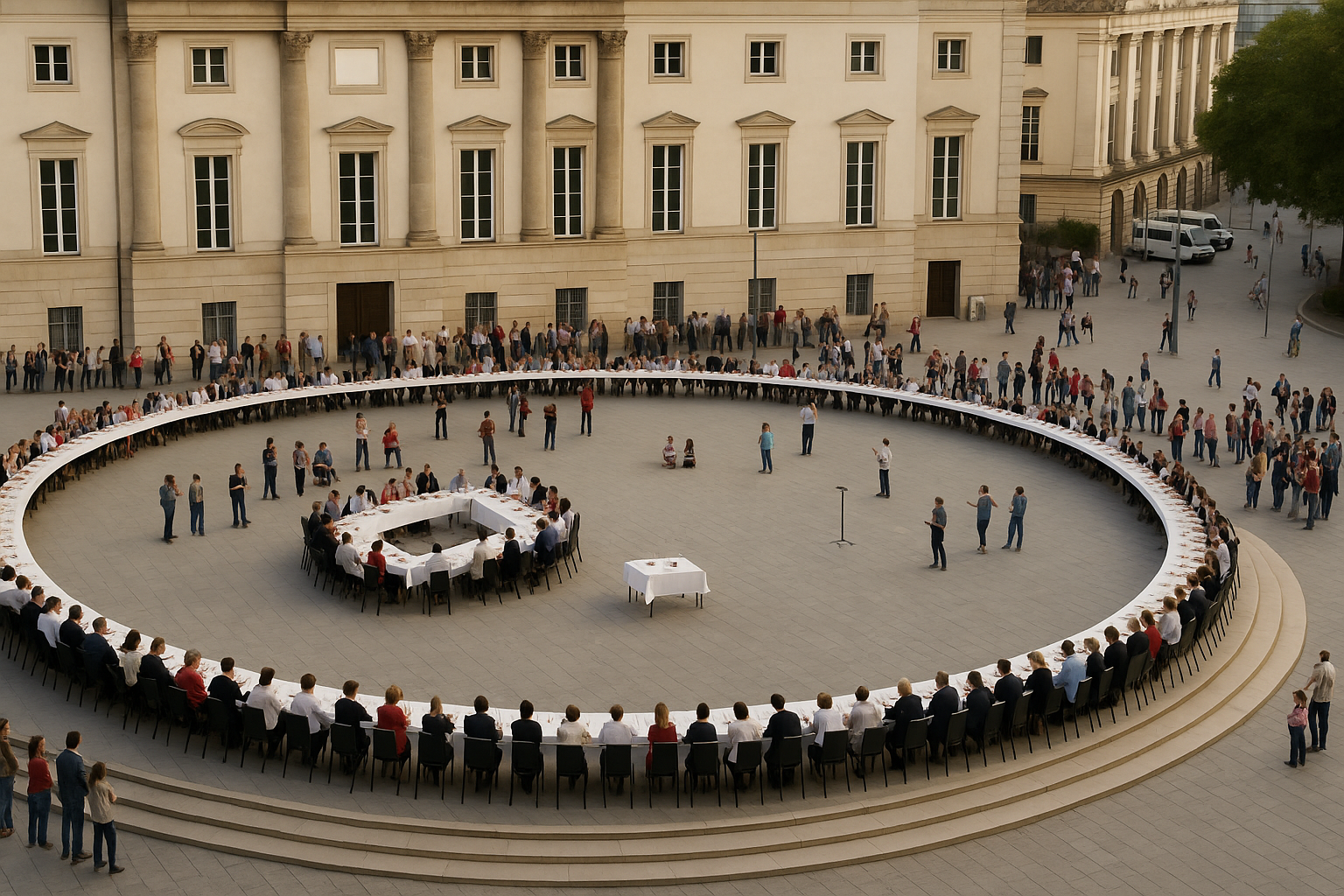
Twenty years ago, 112 voices around the world’s largest table proved that the questions people carry are the beginning of everything.
On September 9, 2006, in Berlin, dropping knowledge international convened one of the most ambitious civic acts of the 21st century. 112 visionaries — Arundhati Roy, Noam Chomsky, and 110 others from 48 countries — gathered around the largest round table ever constructed. The global public had submitted the questions. The participants answered them simultaneously, on camera, generating 672 hours of uncensored civic testimony that became the world’s largest open-source archive of human thought on the questions that matter most.
Two Civic Designers founders were present at that original gathering. Those 7,000 video responses form the temporal foundation of what we are building now. Those questions — about war, power, poverty, freedom, connection, survival — did not expire. Many of them sharpened. Some of them arrived. All of them are still being asked — now, everywhere, with new urgency.
Our Voices Unbound does not repeat that work. It extends it — inward, to the local; outward, to the global; forward, into the present; and wider, to the communities that were never given the microphone in 2006 and whose questions have always been there, waiting for an infrastructure worthy of them.
It is the beginning of an inquiry.
Four pathways into the inquiry. One shared purpose.
Our Voices Unbound gathers civic questions through multiple channels, each designed to meet communities where they are. The question is always the same. The pathways in are as varied as the communities that use them.
Facilitated Community Dialogues
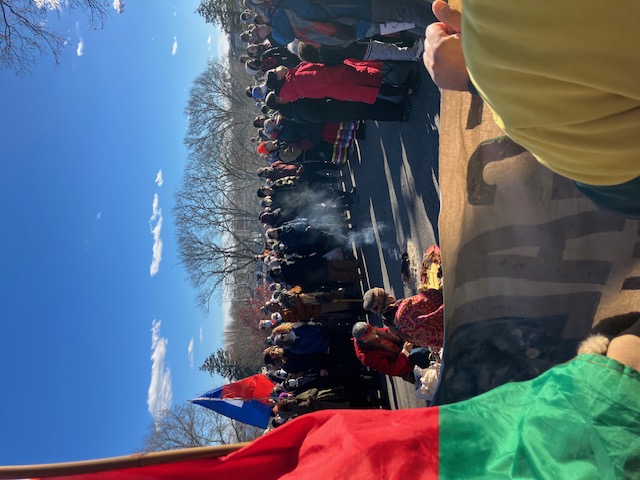
Partner organizations host structured conversations — in church halls, community centers, schools, organizing spaces, wherever community life actually happens. Participants develop their question collectively, in dialogue with each other, before submitting it. The question that emerges from a room is different from the one a person types alone at midnight. Both matter. The room generates something additional: a sense that the question belongs to the collective. These dialogues are happening across communities in the United States and, through international partnerships, far beyond.
Open Digital Submission — Global
The platform at ourvoicesunbound.org accepts video, audio, and text submissions — in English and Spanish, with additional languages expanding through 2026. Anyone, anywhere, can submit their question. A Question Portrait media campaign distributes the prompt across platforms, treating civic participation as creative act, not civic obligation. The 20,000+ questions from the Table of Free Voices era remain as the temporal foundation. We are building a new corpus on top of that living history — one that extends across languages, geographies, and generations.
The Temporal Dialogue — Bridging 2006 and 2026
The 7,000 responses from the original Table of Free Voices are an invitation. The platform creates pathways between then and now — inviting communities to encounter a voice from 2006 grappling with a question they recognize today, and then add their own testimony to the record. This temporal dialogue is not nostalgia. It is civic intelligence in motion: watching what endures, what transforms, what was asked too early, and what is only now becoming urgent enough to name.
Media Strategy — Taking the Conversation Global
Civic change requires a public conversation. Our media strategy is built around the premise that the content communities generate is itself newsworthy — not as data, but as testimony. Question Portrait Videos. Documentary partnerships. A Question of the Day campaign across platforms. Partnerships with independent media committed to amplifying civic voice beyond established networks. The questions communities carry deserve an audience that extends far beyond the rooms where they were first spoken aloud.
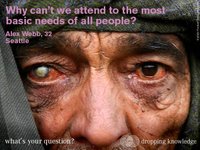
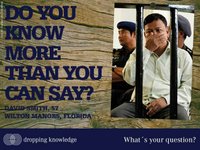

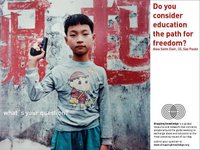
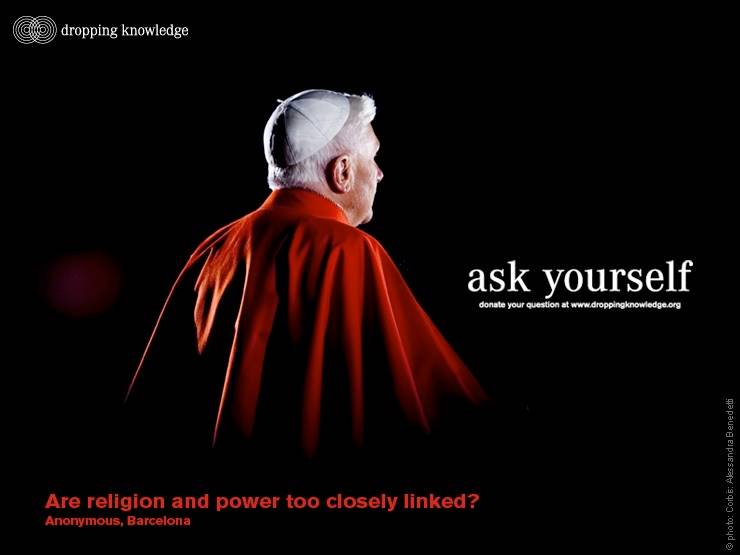
Questions from the 2006 Table of Free Voices — asked by the global public, answered by 112 thinkers from 48 countries. Twenty years later, they are still being asked.
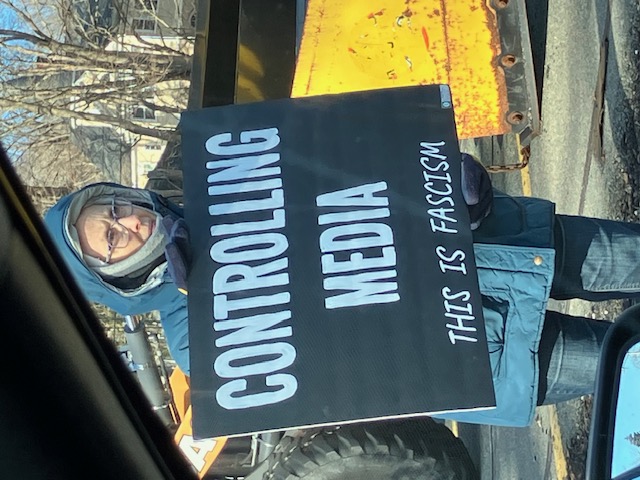
From civic map to action.
The insight communities receive back is more powerful than the data they submitted.
Asili™ — from the Swahili for origin, essence, source — is the interpretive engine at the center of Our Voices Unbound. It does not reduce community voice to positive/negative/neutral. It does not tell communities what they think. It surfaces the architecture of how a community understands itself — the civic patterns hidden inside thousands of voices — and returns that architecture to the communities that generated it.
Think of what it means for a community organization to receive a report that says: the questions your community is asking are oriented toward the future, not the past. They express strong relational bonds but acute distrust of external institutions. The value language centers survival, not aspiration — and the action energy underneath it is not resignation but suppressed readiness. That is not data. That is a mirror. And mirrors help people move.
Communities that see themselves clearly — that understand where they are and where they’re pointing — organize differently. They build coalitions with communities who share their orientation. They bring their civic map to funding conversations with specificity. They bring it to school boards, planning commissions, congressional offices, with evidence that is not a petition but a portrait of a people’s actual civic imagination.
The six interpretive dimensions
Asili™ reads civic voice across temporal orientation, relational stance, emotional frame, reasoning mode, value language, and action energy. Together these six dimensions produce an interpretive map — not a score, not a label, but a legible picture of where a community is standing and what it is reaching toward.
The cross-community synthesis
The most powerful output is not the individual community report. It is the synthesis across communities — the map that shows what rural Mississippi and urban Los Angeles and a community outside Porto share, and what makes each irreducibly specific. That cross-community civic map is the foundation for the kind of coalition-building that actually changes things.
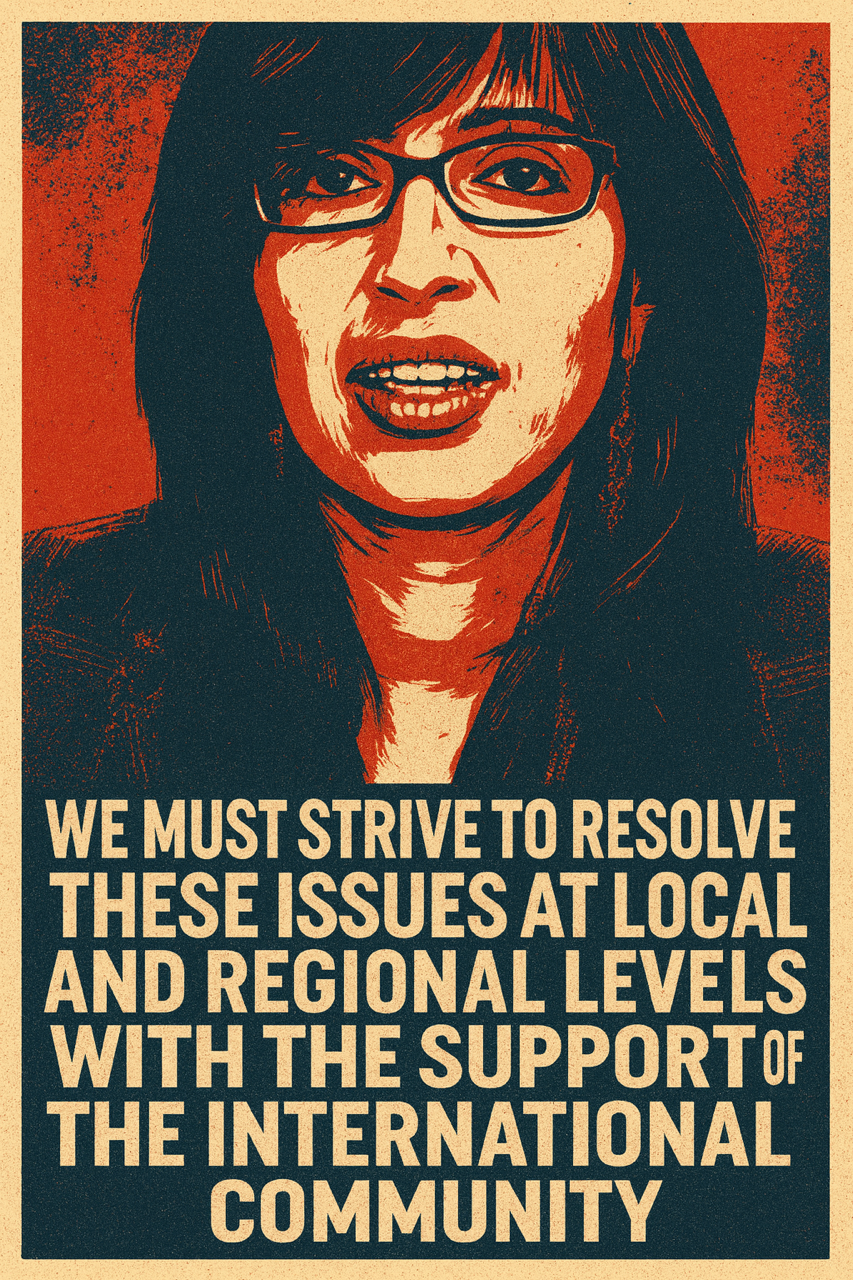
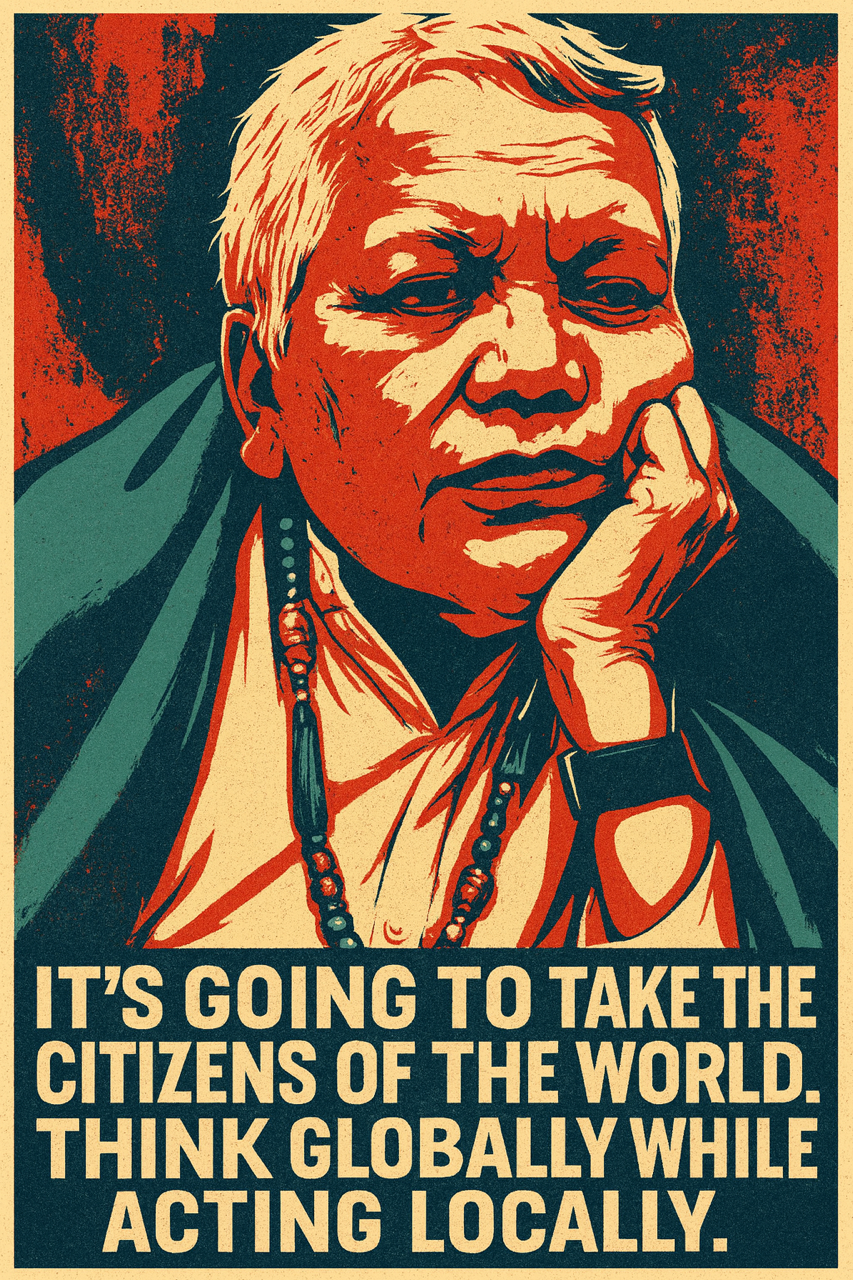
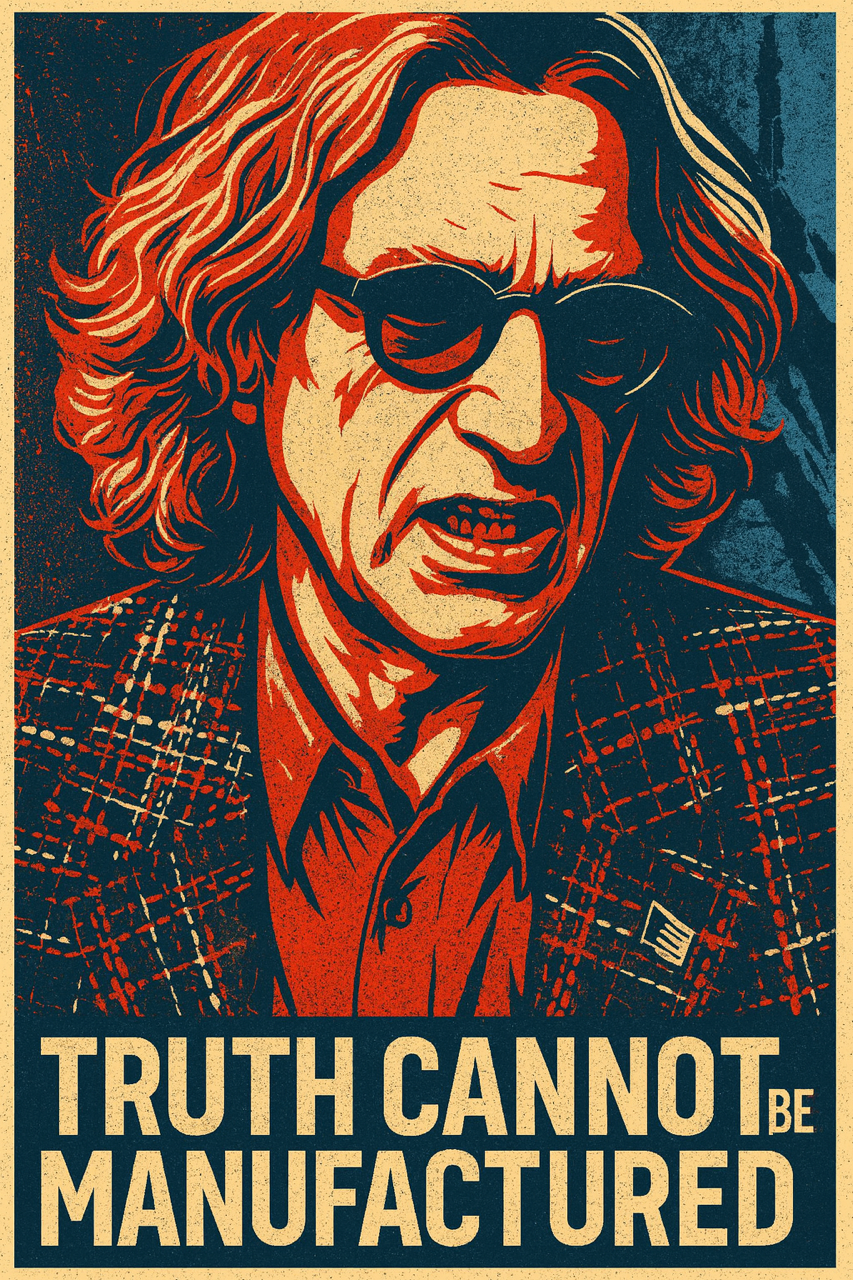
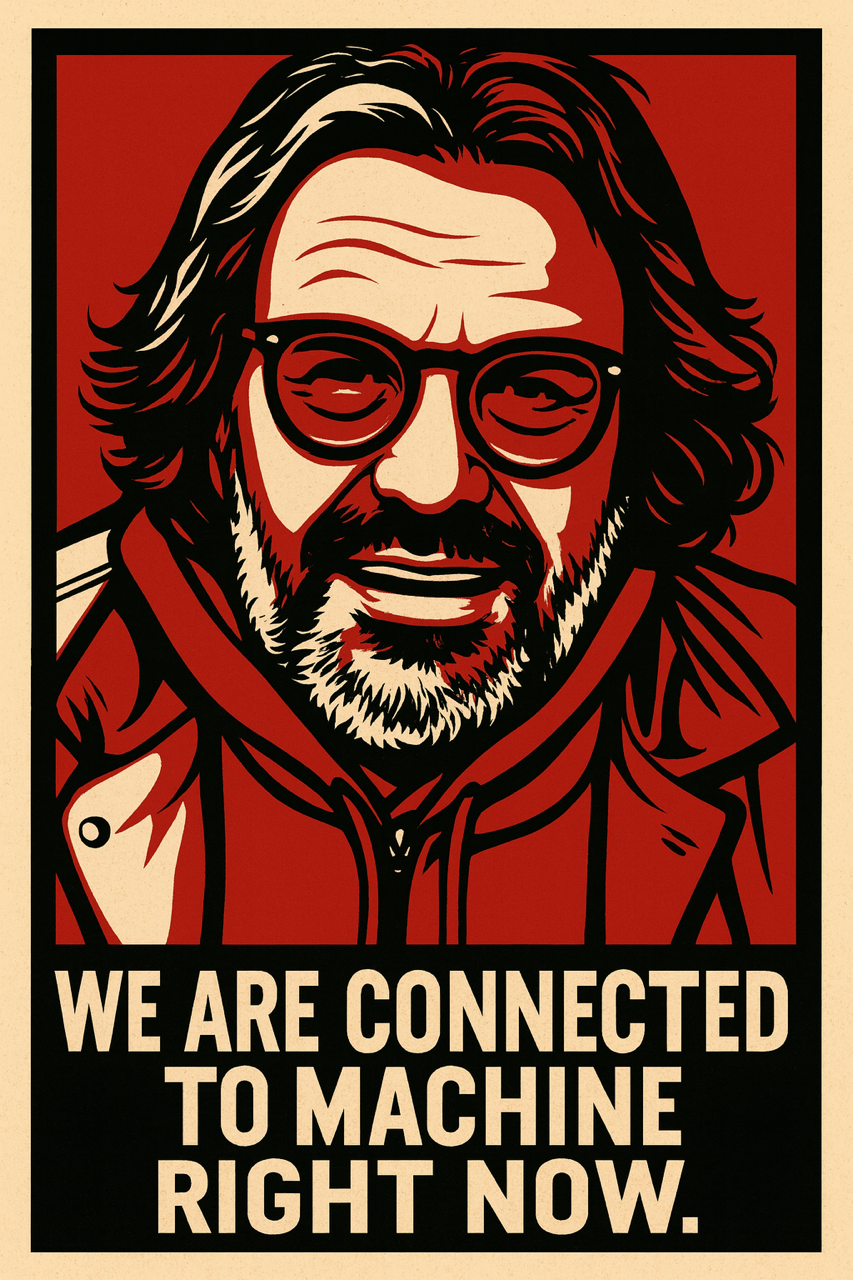
Voices from the 2006 Table of Free Voices. Act local. Think global. Still.
Civic knowledge only moves the world when it belongs to the people who made it.
Our Voices Unbound is
- A living global archive of civic imagination
- A question-first platform that honors the act of asking
- A community-owned knowledge infrastructure
- A temporal bridge between 2006’s global questions and 2026’s present ones
- An AI-assisted engine that returns insight to communities
- A tool that helps communities see themselves clearly — and act from that clarity
- Open, copyleft-licensed, and free to use
- Global in scope, local in design
Our Voices Unbound is not
- A polling platform or opinion aggregator
- A single-issue advocacy campaign
- An AI system that replaces community voice
- A media product that extracts community story for outside audiences
- A repeat of 2006 in 2026 clothing
- A platform built only for the already-connected
- A one-time event with a single outcome
- A tool that speaks for communities rather than with them
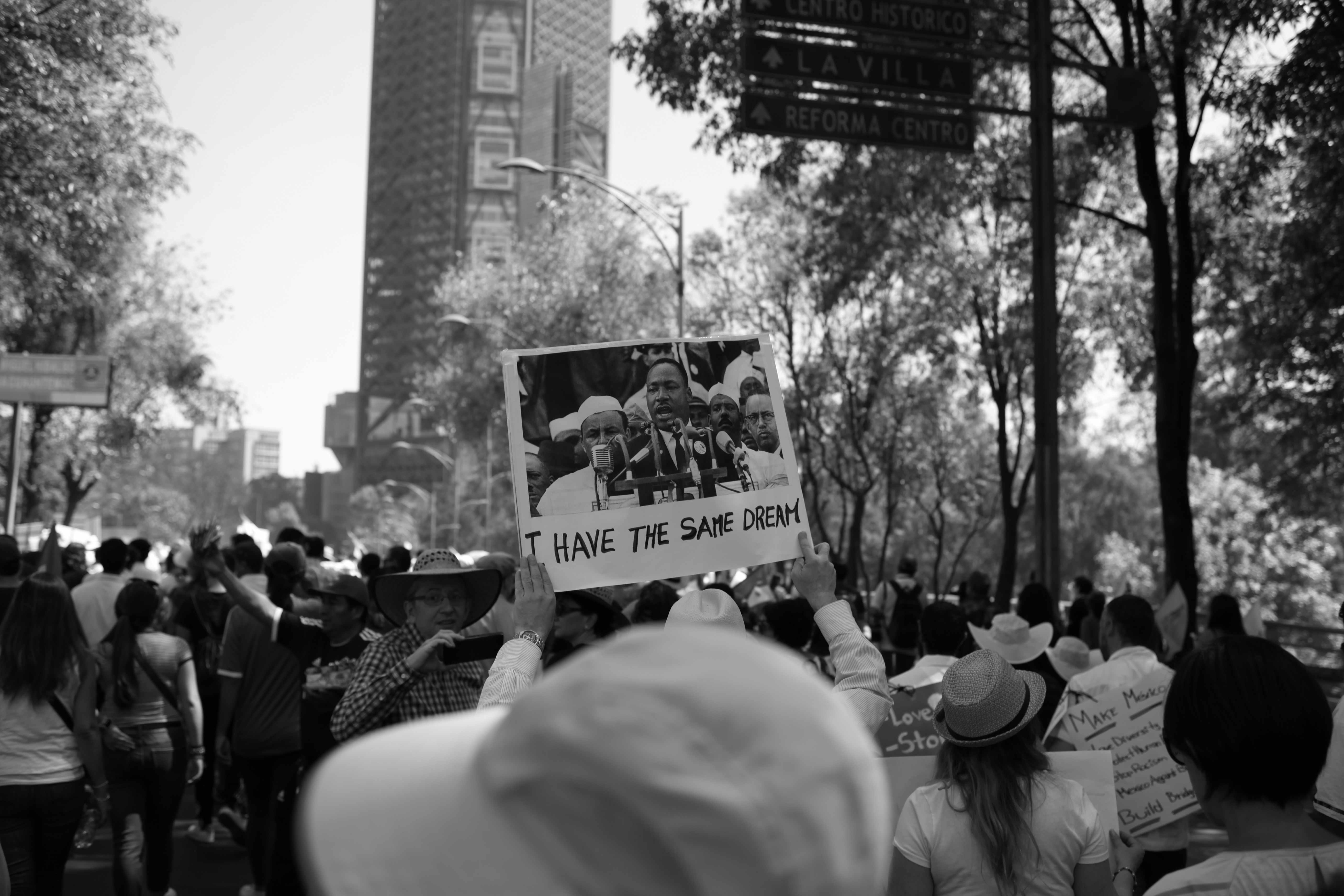
do not stop at borders.
We begin here. We do not end here.
Our Voices Unbound launches in the United States because the American civic crisis is acute, the infrastructure exists, and the 20th anniversary of the Table of Free Voices provides the narrative anchor. But the questions American communities are carrying — about democracy, about power, about who belongs and who decides — echo everywhere. In community halls in West Africa. In favelas and community centers in Brazil. In neighborhoods in Portugal, Japan, and the Middle East where the same forces of civic disenchantment have taken hold.
Community networks and partner organizations in those places have already expressed interest in using the OVU methodology and platform for their own civic inquiry processes. The architecture is designed for this. The Asili™ platform handles multiple languages. The facilitation framework is culture-agnostic by design. The Living Library is a global repository from the beginning.
The Table of Free Voices proved in 2006 that the questions people ask across cultures are remarkably similar — and that the differences, when surfaced carefully, are more instructive than the similarities. Twenty years later, we are building the infrastructure to do that at a scale and with a depth the original Table could only imagine.
The open-source commitment
All content in the OVU Living Library is copyleft-licensed — free to use, share, and build on. The facilitation methodology is open-source. The platform code will be made available for community adoption after launch. Our deepest aspiration: a world where communities no longer need us to run this process — where the methodology has spread and civic inquiry is simply what communities do.
Media as civic infrastructure
The content communities generate is itself newsworthy — not as data, but as testimony. Question Portrait Videos. Documentary partnerships. A Question of the Day campaign. Partnerships with independent media committed to civic voice. The questions communities carry deserve an audience that extends far beyond the rooms where those questions were first spoken aloud.
A building wave. Each phase with more energy than the last.
The principles that govern everything we build.
With Community, Not For Community
Our founding principle. Communities co-design the process. Partners own their synthesis. The platform evolves with use, not ahead of it.
Community Sovereignty Over Knowledge
The questions communities contribute belong to them. Asili™ interpretation is returned to the source. All content is copyleft. Nothing extracted, everything reciprocated.
Local Voice at the Table
Workable solutions are developed with the people who live with the problems. We build the infrastructure for communities to speak — to each other and to the world.
AI as Servant, Not Authority
Asili™ surfaces patterns; it does not generate conclusions. It amplifies community voice; it does not replace it. No AI output is shared without human interpretive oversight.
Temporal Honesty
We build from the past without being bound by it. 2006 informs what we build. But 2026 requires its own questions. We honor lineage while refusing nostalgia.
Democracy as Practice
Democracy is a set of practices — most fundamentally, asking questions together, across difference, without certainty about the answer. OVU is infrastructure for that practice.
A 501(c)(3) nonprofit based at Hope Village, Pawtucket, Rhode Island. Working at the intersection of community organizing, documentary filmmaking, and civic technology since the original Table of Free Voices gathering in 2006.
Civic Designers builds tools and experiences that help communities document, interpret, and act on their own knowledge. Our four knowledge containers — Collective, Temporal, Immersive, and Reflective — provide the structural framework for everything we build. Our Voices Unbound is the Collective layer. The Table of Free Voices archive is the Temporal layer. Our 360° community documentary environments are the Immersive layer. Asili™ bridges them all.
The commercial IP for Asili™ is held by inknow.ai LLC, a sister entity that enables enterprise applications while keeping the civic platform nonprofit, free, and community-controlled. This dual structure ensures community voice infrastructure is never subordinated to commercial interest.
We are building a coalition of partners who believe that the most powerful force in a fractured democracy is communities that can see themselves clearly and act from that clarity. We invite four kinds of partnership:
Community Facilitation Partners — organizations rooted in their communities who co-design and host civic dialogue gatherings, and who receive Asili™ synthesis reports in return. Networks, coalitions, civic organizations, faith communities, schools, cultural institutions: if your community carries questions, you belong in this network.
Media & Distribution Partners — independent media, journalists, documentary filmmakers, broadcasters, and platform builders who believe community testimony is the most underreported story of our time. Amplify the voices. Bring the questions to the global public.
Research & Academic Partners — universities, policy institutes, and think tanks who want to work with the most comprehensive open-source archive of community civic voice ever assembled — and who can help translate what it surfaces into the evidence base that policy change requires.
Foundational Funders — foundations and philanthropists who understand that this moment requires infrastructure, not campaigns. Our Voices Unbound is the kind of civic commons that markets will not build and governments cannot sustain. It requires the vision and long-term commitment that only mission-driven philanthropy can provide.